
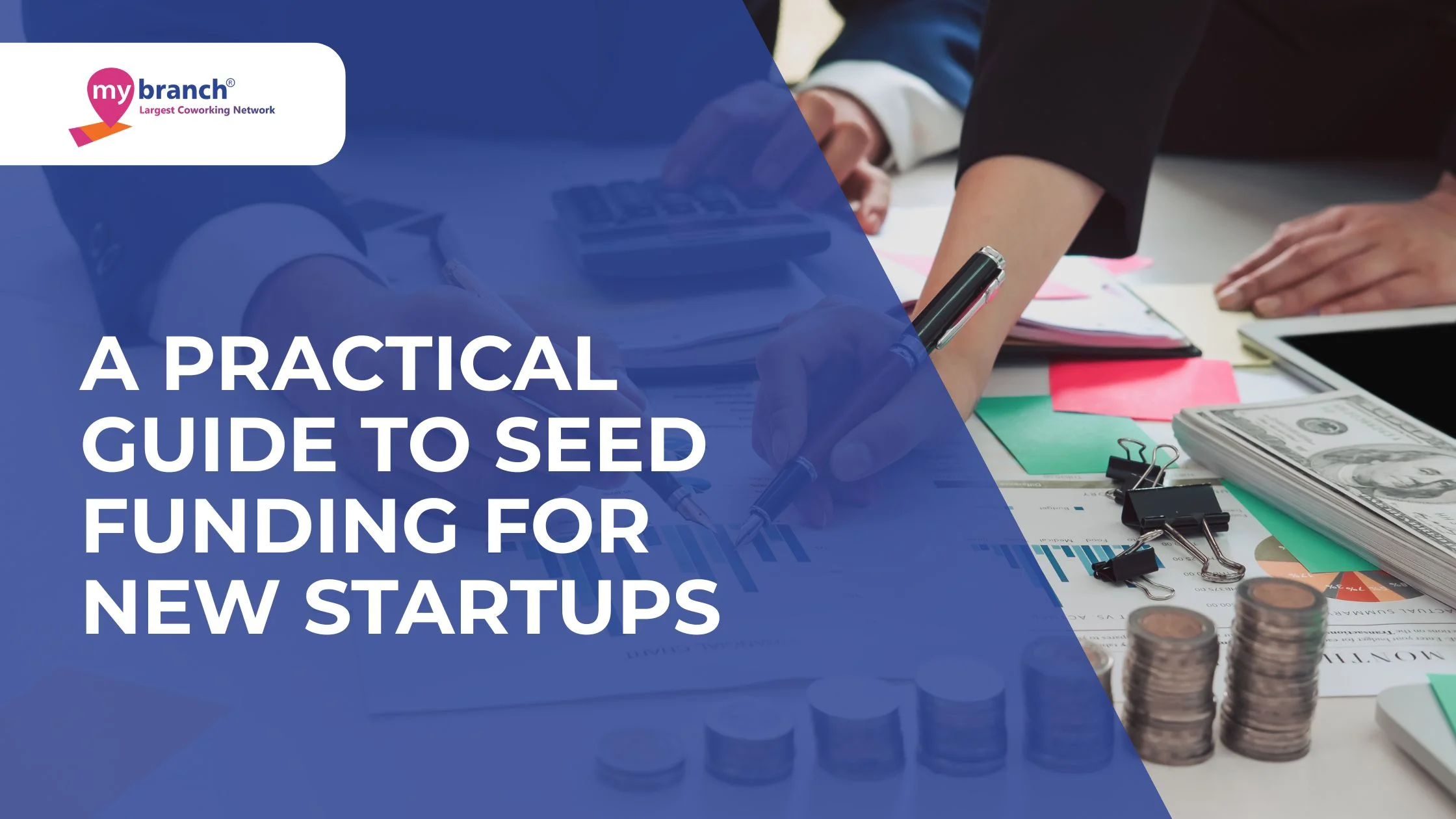
Many startups reach a point where initial capital begins to tighten. The early momentum is there. The idea has taken shape. But scaling further requires external funding.
At this stage, founders often approach seed funding without fully understanding what investors expect or what the business truly needs. This gap between intent and readiness is where most early fundraising challenges begin.
What Seed Funding Really Means for Startups
Seed funding is not just the first cheque. It is the stage where a business moves from validation to structured growth.
At this point, investors are not looking for perfection. They are evaluating clarity. They want to understand whether the business has early signals of demand and whether the founders can execute with discipline.
Seed capital is expected to create direction. It should help the business move towards measurable milestones such as product refinement, initial revenue or market expansion.
Did You Know
In India, a large number of early stage startups attempt to raise seed funding each year. However, only a small percentage successfully secure it because many approach investors without clear traction or capital planning.
When Startups Should Consider Raising Seed Capital
Not every business needs to raise funds immediately.
Seed funding becomes relevant when the business has moved beyond the idea stage and has some form of validation. This could be early users, pilot projects or initial revenue.
It is also important that founders have clarity on how funds will be used. Without this, capital often gets misallocated and runway shortens faster than expected.
In some cases, founders manage early costs by choosing lean operational setups like a virtual office address instead of committing to high fixed infrastructure.
What Investors Look for at the Seed Stage
Investors are not just funding an idea. They are backing the ability to build a business.
Key areas of evaluation include:
- clarity of the problem being solved
- early traction or market response
- strength and commitment of the founding team
- realistic financial thinking
- ability to use capital efficiently
Operational decisions also matter. Startups that optimise early costs through flexible setups like a managed office often demonstrate stronger financial discipline.
A Common Situation Many Founders Experience
A growing startup team raises seed funding early based on a strong idea but limited traction.
The capital comes in. Hiring begins. Fixed costs increase. A premium office space is leased without clear necessity.
Within months, the business struggles with direction. Product iterations take longer. Revenue does not scale as expected.
The issue was not funding. It was lack of clarity on how to use it.
Common Mistakes Founders Make During Early Fundraising
Many early stage businesses face similar challenges:
- raising funds without clear milestones
- overestimating growth projections
- focusing on valuation instead of sustainability
- ignoring operational efficiency
- selecting investors without alignment
These decisions often create pressure instead of progress.
How Capital Planning Impacts Business Stability
Seed funding is closely tied to how well a business plans its runway.
Capital should be allocated with intent. Every expense must support a measurable outcome.
Founders who prioritise flexibility in the early stage tend to manage risk better. Instead of long term leases, using shared or flexible workspaces helps reduce fixed costs and extend runway.
This approach allows businesses to adapt without financial strain.
Practical Takeaways for Founders
Before approaching investors, evaluate your readiness:
- Do you have measurable traction or validation
- Can you clearly define how funds will be used
- Have you planned runway for at least 12 to 18 months
- Are your operational costs aligned with your current stage
- Have you identified the right investors for your business
Also consider practical decisions:
- keep fixed costs low in the early stage
- explore flexible workspace or virtual office address options
- prioritise product and market development over infrastructure
Closing Reflection
Raising capital is not just about securing funds. It is about preparing the business to use that capital responsibly and sustainably.
Seed funding works best when it supports clarity, not confusion. When founders understand this, funding becomes a growth enabler rather than a pressure point.