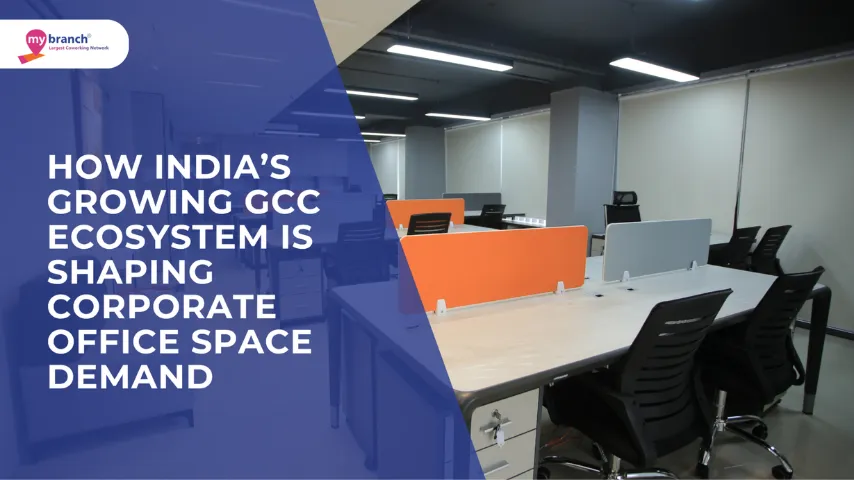
India’s corporate office market is changing as more global companies look to establish and expand their operations in the country. One of the biggest drivers of this change is the growth of Global Capability Centres (GCCs). These centres are no longer limited to basic support functions. Today, they handle technology, research, data analytics, finance, product development and other important business activities for global organisations.
As companies continue to invest in India, their expectations from office spaces are also evolving. They are looking for workplaces that support collaboration, attract skilled professionals and allow their teams to grow without unnecessary operational challenges.
For businesses, developers and commercial property investors, understanding this shift can help identify new opportunities in India’s evolving office market.
What Is Driving the Growth of GCCs in India?
India has become an attractive destination for global companies because of its skilled workforce, established technology ecosystem and competitive operating costs. Cities such as Bengaluru, Hyderabad, Pune, Chennai and Mumbai offer access to experienced professionals and well-developed business infrastructure.
However, cost savings are no longer the only reason companies choose India. Global businesses are increasingly using their Indian centres for specialised work, innovation and strategic decision-making. This has increased the need for office spaces that can support larger teams, advanced technology and long-term business operations.
Government support, improving infrastructure and the availability of commercial real estate have also contributed to this growth. As more companies establish or expand their GCCs, demand for well-planned corporate offices is gaining momentum.
How GCC Growth Is Changing Corporate Office Space Demand
1. A Greater Need for Large and Well-Planned Offices
As GCCs expand their teams, they need office spaces that can accommodate different departments under one roof. Technology teams, research professionals, finance departments and management teams may all require dedicated work areas while remaining connected to one another.
This is creating demand for larger office spaces in established commercial locations. Businesses also look for buildings that offer efficient layouts, reliable infrastructure and room for future expansion.
For property owners and developers, this means that office buildings designed around the practical needs of large organisations can become more attractive to potential tenants.
2. Quality Is Becoming as Important as Location
Location has always played an important role in corporate real estate decisions. However, GCCs now evaluate much more than an office's distance from major roads or business districts.
They also consider building quality, power backup, internet connectivity, security, parking, access to public transport and the overall working environment. These factors influence daily operations and help companies provide a better workplace for their employees.
As a result, Grade A office spaces with modern facilities and professional property management are becoming an important consideration for businesses seeking long-term stability.
3. Flexible Workspaces Are Supporting Business Expansion
Setting up a new office can involve significant investment, planning and time. For a company entering a new market or expanding an existing team, a flexible workspace can offer a more practical starting point.
Managed offices, serviced workspaces and flexible office arrangements allow businesses to access professional facilities without having to manage every aspect of the workplace themselves.
These options can be useful for GCCs that want to test a new location, establish a smaller team or accommodate temporary project requirements before committing to a larger office.
While larger centres may still prefer dedicated corporate offices, flexible workspace solutions give companies more choices as their requirements change.
4. Employee Experience Is Influencing Office Decisions
A corporate office is no longer viewed only as a place where employees complete their daily tasks. It also plays a role in attracting talent, encouraging collaboration and building a strong workplace culture.
GCCs compete for professionals with specialised skills, making the quality of the working environment increasingly important. Well-designed offices with collaborative areas, comfortable meeting rooms, natural light and employee amenities can support a better workplace experience.
Easy access to public transport, food outlets and everyday services can also make a location more appealing to employees.
For businesses choosing an office, the right environment can help balance operational needs with employee expectations.
5. Infrastructure Is Creating Opportunities Beyond Traditional Business Districts
Established office markets continue to attract corporate occupiers. At the same time, improvements in metro connectivity, road networks and urban infrastructure are making emerging business locations worth considering.
For GCCs, these locations may offer access to talent, better space availability and opportunities to manage occupancy costs. However, businesses must assess whether the surrounding infrastructure, transport options and commercial facilities can support their long-term needs.
For developers and investors, this creates an opportunity to explore office markets beyond the most established business districts. The key is to identify locations where infrastructure growth is supported by genuine business demand.
What Does This Mean for Commercial Real Estate Investors?
The expansion of GCCs presents opportunities for investors looking at India's corporate office market. However, the growing demand for office space does not mean that every commercial property will deliver the same results.
Investors need to consider the quality of the building, its location, connectivity, tenant demand and the availability of competing office spaces. Properties that meet the requirements of established corporate occupiers may have stronger potential to attract and retain tenants.
Lease terms, maintenance expenses, vacancy risks and the cost of upgrading a property should also be considered before making an investment decision.
Understanding the needs of GCCs can help investors assess whether a particular office asset is aligned with changing market expectations. Instead of focusing only on the size or price of a property, it is important to evaluate how well it serves the businesses likely to occupy it.
The Road Ahead for India's Corporate Office Market
India's GCC ecosystem is expected to remain an important influence on corporate real estate demand as global companies continue to build specialised teams and expand their operations.
This growth is likely to keep attention on office spaces that offer reliable infrastructure, efficient layouts, employee-friendly facilities and flexibility for future expansion. At the same time, businesses will continue to weigh location, operating costs and access to skilled talent before making property decisions.
For companies planning their next office and investors exploring commercial real estate, understanding these changing requirements can make it easier to identify suitable opportunities.
At MyBranch, we recognise the importance of choosing a workspace that aligns with business goals, operational requirements and plans for growth. As India's corporate landscape evolves, making informed workspace decisions will remain an important part of building a strong foundation for the future.