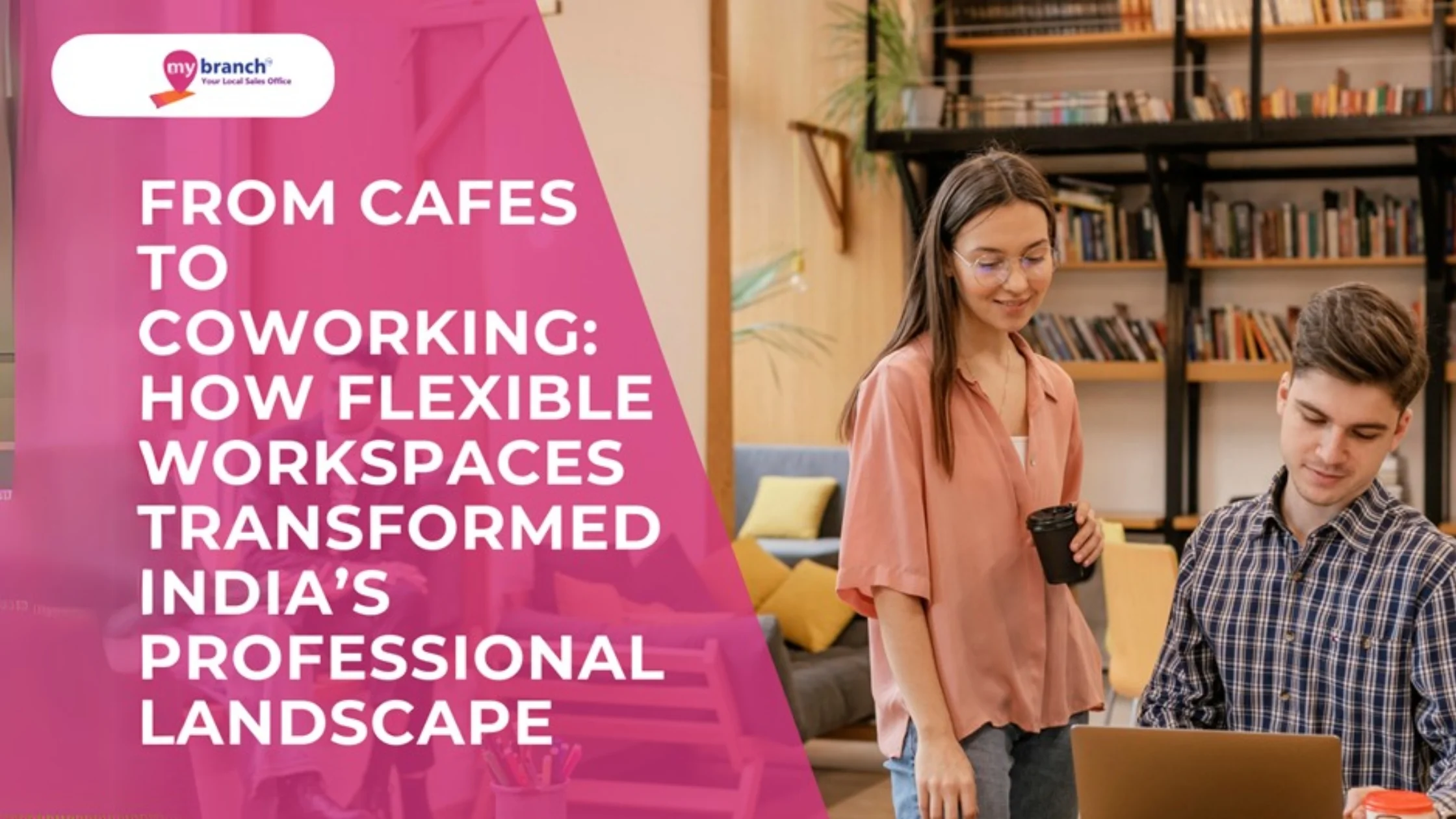


Employee engagement plays an important role in building a productive, motivated, and successful workplace. Engaged employees are more likely to take ownership of their responsibilities, collaborate effectively, contribute new ideas, and remain committed to organisational goals. However, engagement does not happen automatically. It requires businesses to create an environment where employees feel valued, supported, connected, and comfortable enough to perform at their best.
As businesses continue to adopt flexible and hybrid working models, the workplace itself has become an important part of the employee experience. Whether a company operates from a traditional office, a shared office space, or a private office, thoughtful workplace strategies can significantly influence how employees communicate, collaborate, and stay motivated.
For businesses looking for flexible workplace solutions, MyBranch provides professionally managed workspaces designed to support modern business needs. Along with the right workspace, organisations can implement several practical strategies to improve employee engagement.
1. Build a Culture of Open Communication
Open communication is one of the foundations of employee engagement. Employees should feel comfortable sharing ideas, asking questions, providing feedback, and discussing workplace concerns without hesitation.
Managers can encourage communication through regular team meetings, one-on-one discussions, employee surveys, and informal conversations. Communication should also work both ways. Leaders should not simply communicate instructions; they should actively listen to employees and consider their suggestions.
When employees know that their opinions matter, they are more likely to feel connected to the organisation and its objectives.
2. Recognise and Appreciate Employee Contributions
Recognition can have a significant impact on employee motivation. Employees want to know that their hard work is noticed and appreciated.
Recognition does not always have to involve financial rewards. A simple appreciation message, team announcement, certificate, additional responsibility, or public acknowledgement can make employees feel valued.
Businesses can introduce monthly recognition programmes, celebrate project achievements, or encourage managers to acknowledge individual contributions regularly. Consistent appreciation helps create a positive workplace culture where employees are encouraged to perform well.
3. Create Opportunities for Professional Growth
Employees are more engaged when they can see opportunities for personal and professional development. Organisations should provide employees with opportunities to learn new skills, attend workshops, participate in training programmes, and take on challenging projects.
Managers can also create individual development plans based on employees' career goals. Mentoring and knowledge-sharing programmes can further support professional growth.
Investing in employees demonstrates that the organisation values their long-term development rather than viewing their role only in terms of immediate responsibilities.
4. Design a Comfortable and Collaborative Workplace
The physical workplace can influence employee satisfaction, communication, and productivity. A well-designed office should provide a balance between collaboration and focused work.
Open collaborative areas can encourage teamwork, while quiet spaces can help employees concentrate on individual tasks. Comfortable seating, adequate lighting, meeting rooms, technology infrastructure, and common areas can further improve the overall workplace experience.
For growing companies, choosing an office for rent with suitable facilities can provide the flexibility to create a productive environment without the complexities of managing a conventional office setup.
Flexible workspace providers such as MyBranch offer businesses an opportunity to work from professionally managed environments that can accommodate different operational requirements.
5. Encourage Employee Feedback
Employee engagement improves when organisations understand what employees actually need. Regular feedback can help identify workplace challenges before they become larger problems.
Businesses can use anonymous surveys, suggestion boxes, pulse surveys, and individual meetings to gather employee opinions. However, collecting feedback is only the first step. Management should also communicate what actions are being taken based on that feedback.
For example, if employees request better meeting facilities or more flexible working arrangements, management can assess these suggestions and communicate the outcome clearly. This creates trust and shows employees that their feedback has a genuine purpose.
6. Support Work-Life Balance
Maintaining a healthy balance between professional responsibilities and personal life is increasingly important for employees. Excessive workloads, unrealistic deadlines, and a lack of flexibility can gradually reduce motivation.
Businesses can support work-life balance through reasonable workloads, flexible schedules, hybrid working options, planned leave, and clear expectations around working hours.
A flexible shared office space can also support businesses with hybrid teams by providing a professional environment when employees need to collaborate while allowing flexibility for remote work on other days.
7. Strengthen Team Collaboration
Strong relationships between colleagues can make employees feel more connected to their workplace. Organisations should create opportunities for teams to interact beyond routine work assignments.
Team-building activities, brainstorming sessions, informal lunches, workshops, and collaborative projects can help employees develop stronger professional relationships.
At the same time, collaboration should be purposeful. Businesses should provide the right technology, meeting facilities, and workspace arrangements so employees can easily communicate and work together.
A flexible workplace can be particularly useful for teams that need different settings for meetings, presentations, focused work, and informal discussions.
8. Give Employees Greater Ownership
Micromanagement can reduce confidence and motivation. Employees should have sufficient autonomy to make decisions within their responsibilities and find effective ways to complete their work.
Managers can establish clear objectives while giving employees freedom in how they achieve them. Delegating meaningful responsibilities demonstrates trust and encourages employees to take ownership of outcomes.
When employees feel responsible for the success of a project, they are more likely to approach their work with greater commitment and initiative.
9. Develop Effective and Supportive Leadership
Leadership has a direct influence on workplace engagement. Employees often look to managers for guidance, communication, and support.
Effective leaders should set clear expectations, provide constructive feedback, recognise achievements, and help employees overcome challenges. They should also demonstrate the values they expect from their teams.
Leadership training can help managers develop skills in communication, conflict resolution, coaching, delegation, and team management. A supportive manager can transform an ordinary work environment into one where employees feel motivated and respected.
10. Choose a Workspace That Supports Your Team
Workspace decisions should reflect the way employees actually work. Businesses should consider whether their teams require private areas, collaborative spaces, meeting rooms, flexible seating, or a combination of these facilities.
A private office can provide teams with greater privacy and concentration while still allowing them to access shared facilities when required. For businesses that prefer flexibility, a shared workspace can offer opportunities for collaboration and networking.
This is where flexible workspace providers such as MyBranch can become valuable. Businesses can explore workplace solutions that align with their team size, working style, and changing operational requirements without committing to a rigid office structure.
11. Celebrate Team and Organisational Milestones
Celebrating achievements creates a sense of shared progress. Businesses can recognise completed projects, successful campaigns, new clients, employee milestones, or organisational anniversaries.
Celebrations do not need to be expensive or elaborate. A team lunch, small event, appreciation note, or informal gathering can help employees feel that their contribution is part of something bigger.
These moments also provide opportunities for colleagues to interact outside their regular work responsibilities.
12. Make Engagement an Ongoing Process
Employee engagement should not be treated as a one-time initiative. Workplace expectations change as businesses grow, teams evolve, and employees develop new priorities.
Organisations should regularly measure engagement through feedback, retention trends, participation levels, employee satisfaction surveys, and performance discussions. Management can then identify areas that require improvement and adjust workplace strategies accordingly.
A continuous approach ensures that employee engagement remains part of the organisation's culture rather than becoming a temporary programme.
Conclusion
Improving employee engagement requires more than offering attractive workplace facilities or occasional employee activities. It involves creating an environment built around communication, recognition, professional growth, flexibility, trust, collaboration, and strong leadership.
The right workplace can support these efforts by giving employees an environment where they can focus, communicate, and collaborate effectively. Whether a business chooses an office for rent, a shared office space, or a private office, the workspace should complement the organisation's culture and working style.
With flexible and professionally managed workspace solutions, MyBranch helps businesses create workplaces that can adapt to evolving team requirements. Ultimately, when employees feel respected, supported, heard, and connected to their organisation, engagement becomes a natural part of the workplace culture—and that can contribute to stronger productivity, better collaboration, and sustainable business growth.