
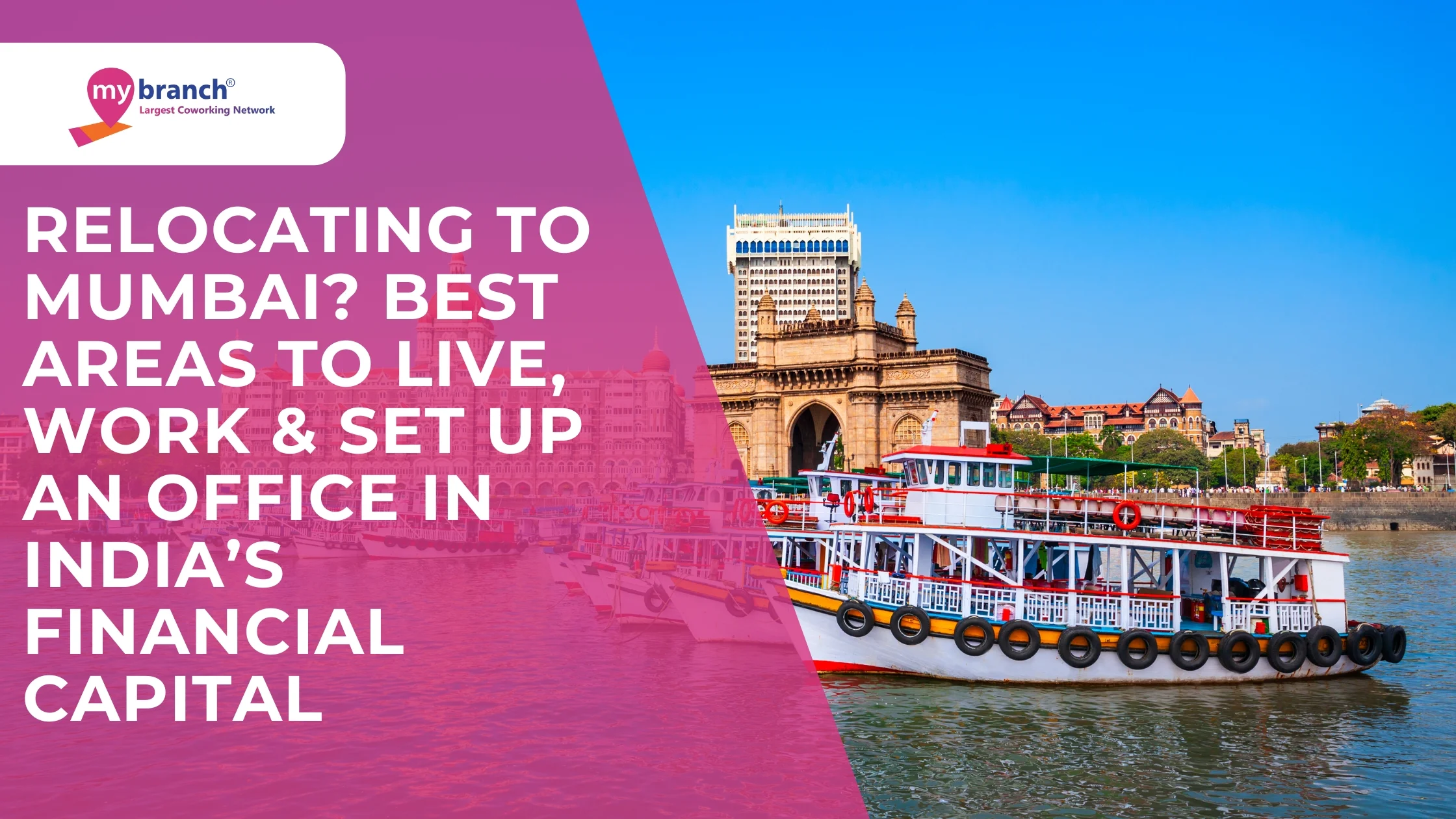
Introduction: Mumbai as a City of Opportunity, Movement and Professional Growth
Mumbai is not simply India’s financial capital; it is a city that has consistently shaped the country’s economic and professional identity. Originally a group of seven islands, Mumbai evolved through centuries of maritime trade, colonial infrastructure, industrial growth and post-liberalization expansion to become the most influential commercial hub in India. What makes Mumbai unique is not just the presence of money or markets, but the mindset it cultivates speed, resilience, adaptability and ambition.
People relocate to Mumbai for different reasons: career advancement, business expansion, access to capital, or exposure to larger markets. Over time, many realize that Mumbai changes how they work and think. The city demands efficiency, rewards persistence and constantly pushes individuals and businesses to evolve. Understanding Mumbai, therefore, requires looking beyond real estate prices or office locations it means understanding how lifestyle, work culture, infrastructure and opportunity operate together on a daily basis.
How Mumbai Grew Into India’s Financial and Commercial Capital
Mumbai’s transformation into India’s financial powerhouse was driven by geography, infrastructure and institutional development. Its natural deep-water harbour made it a key trading port during British rule, leading to early investments in railways, docks and textile mills. These industries created employment and attracted migration from across the country, laying the foundation for a dense and skilled workforce.
Post-independence, Mumbai diversified rapidly. Financial institutions, insurance companies, stock exchanges and later multinational corporations established their presence here. The Bombay Stock Exchange (BSE) and National Stock Exchange (NSE) turned Mumbai into the heart of India’s capital markets, while banks and financial services firms strengthened its global relevance. Even today, major corporate decisions, funding activities, and financial innovations are centred in Mumbai. This historical continuity gives businesses relocating here a stable yet dynamic ecosystem that few cities in India can match.
Lifestyle in Mumbai: A City Where Work and Life Are Closely Intertwined
Communities and Daily Professional Interaction
Mumbai’s lifestyle is deeply influenced by its people. The city brings together professionals from every region of India, creating a workforce that is multilingual, multicultural and highly adaptive. In offices, coworking spaces, cafés and even public transport, professionals from diverse backgrounds interact daily. This exposure naturally builds strong communication skills, tolerance for different work styles and a collaborative mindset.
Despite long commutes and demanding schedules, Mumbai’s professionals are known for their practical approach to work-life balance. Instead of rigid boundaries, the city operates on integration — conversations during travel, informal meetings over tea and networking through shared spaces are all part of the work culture. For new businesses and relocating teams, this environment accelerates learning and relationship-building, which are essential for long-term growth.
Festivals That Bring the City Together — Even During Workdays
Festivals in Mumbai are not treated as interruptions to professional life; they are woven into it. Celebrations such as Ganesh Chaturthi, Diwali, Eid and Christmas are observed across offices, housing societies and public spaces, reflecting the city’s inclusive nature. Among these, Ganesh Chaturthi holds exceptional importance. During this period, iconic pandals like Lalbaug Cha Raja attract millions of devotees and entire neighbourhoods participate in processions, decorations and community activities.
From a work perspective, businesses often adapt by offering flexible hours, remote working options, or team participation in celebrations. While traffic and schedules may slow temporarily, these festivals strengthen social bonds and boost morale. For companies relocating to Mumbai, this cultural rhythm offers insight into how productivity and community coexist — an underrated but meaningful advantage in building engaged teams.
Mumbai’s Food Culture and Its Relationship With Working Life
Food in Mumbai is closely tied to how the city works. It is designed for speed, accessibility and affordability, qualities that support long working hours and constant movement. Vada pav is a prime example: it is commonly eaten while walking to the office or during short breaks. It is not a leisure snack but a functional meal for people on the move.
Equally important is cutting chai, which acts as an informal networking tool near offices and transit points. Street foods like pav bhaji, bhel puri, sev puri and misal pav are popular during short breaks or after work, offering comfort without consuming time. Traditional Maharashtrian thalis and lunch homes near business districts provide balanced meals for professionals who need consistency. This food culture supports productivity while preserving social interaction, a defining feature of Mumbai’s work life.
Top Touring Locations That Shape Work-Life Balance in Mumbai
Mumbai’s landmarks are not just tourist attractions; they play a role in maintaining emotional balance for professionals living in a high-pressure environment. Marine Drive is a popular destination for post-work walks and quiet reflection, while the Gateway of India serves as a reminder of the city’s historical role in global trade. Juhu and Versova Beaches offer casual evening escapes, especially for professionals working in nearby commercial areas.
Beyond the coastline, Sanjay Gandhi National Park provides rare access to nature within city limits and Elephanta Caves remain a preferred weekend cultural retreat. These locations help residents decompress without leaving the city. Collectively, they support mental well-being and sustain Mumbai’s hospitality and leisure economy.
Best Cafés in Mumbai for Working Professionals
Mumbai’s café culture has grown into an informal extension of its work ecosystem, especially for freelancers, consultants, startup teams and remote professionals. Cafés such as Subko (Bandra), Blue Tokai (multiple locations), Candies (Bandra), Starbucks Reserve (Fort) and Social outlets across the city are frequently used for focused solo work, casual client meetings and brainstorming sessions.
Neighborhoods like Bandra and Andheri West attract media professionals and creative entrepreneurs who prefer cafés that allow longer work hours with stable Wi-Fi and comfortable seating. Lower Parel and Worli see consultants and corporate professionals using cafés as neutral meeting spaces between office appointments. Powai, with its proximity to technology parks and educational institutions, offers quieter café environments suited for deep work.
For professionals new to Mumbai, these cafés often become first touchpoints for networking, understanding local work rhythms and blending productivity with the city’s social culture.
Best Areas to Live and Work in Mumbai
Choosing the right area in Mumbai depends on commute, budget and professional needs. South Mumbai remains ideal for finance, law and legacy businesses due to proximity to institutions, though it comes with premium costs. Central Mumbai areas like Lower Parel, Dadar and Worli have transformed former mill lands into mixed-use hubs suitable for startups and creative firms.
The Western Suburbs, including Bandra, Andheri and Goregaon, offer a balance of residential comfort and commercial access, supported by metro connectivity. Eastern Suburbs such as Powai and Vikhroli provide planned layouts and growing office infrastructure. Thane and Navi Mumbai are increasingly preferred for scalable offices and long-term expansion due to better planning and cost efficiency.
Mumbai’s Business Market and Financial Strength
Mumbai’s business ecosystem thrives on diversification. While finance remains the backbone, the city also supports fintech startups, consulting firms, logistics companies, media houses and professional services. The concentration of investors, advisors and institutions creates an environment where businesses can access capital, expertise and partnerships more easily than in most Indian cities.
Government initiatives, regulatory bodies and international connectivity continue to reinforce Mumbai’s relevance. Even as hybrid work changes office demand, Mumbai’s role as a decision-making and financial centre remains intact, making it a strategic location for long-term business operations.
How Mumbai Supports Startups and New Businesses
Mumbai provides startups and new businesses with a well-developed ecosystem that combines scale, access, and real-world business exposure. Founders benefit from proximity to investors, financial institutions, legal experts, and advisory firms, all of which make it easier to structure and grow a business sustainably. The city’s competitive environment also helps early-stage companies test ideas quickly and refine their offerings.
To manage costs and remain agile in the initial stages, many startups and SMEs opt for flexible workspace solutions that offer professional infrastructure without long-term commitments. This trend reflects how businesses in Mumbai prioritise adaptability while building credibility, a pattern also highlighted in MyBranch’s article on how coworking spaces support small and medium-sized enterprises.
Infrastructure That Enables Business Growth
Infrastructure has always been a defining force behind Mumbai’s work culture and economic momentum. The suburban local train network, often described as the city’s lifeline, enables millions of professionals to commute daily across long distances, directly influencing office hubs in areas such as Bandra Kurla Complex (BKC), Lower Parel, Andheri and Navi Mumbai.
The expanding Mumbai Metro network continues to improve east–west and north–south connectivity, gradually reshaping office location preferences and reducing commute fatigue for professionals. Chhatrapati Shivaji Maharaj International Airport supports global business travel, while Mumbai’s ports remain critical for trade, logistics and import–export-driven industries.
These infrastructure systems strongly influence where businesses establish offices and how professionals choose residential areas. Despite congestion challenges, Mumbai’s infrastructure remains one of its most powerful enablers of sustained business activity and workforce mobility.
Key Sectors Thriving In Mumbai
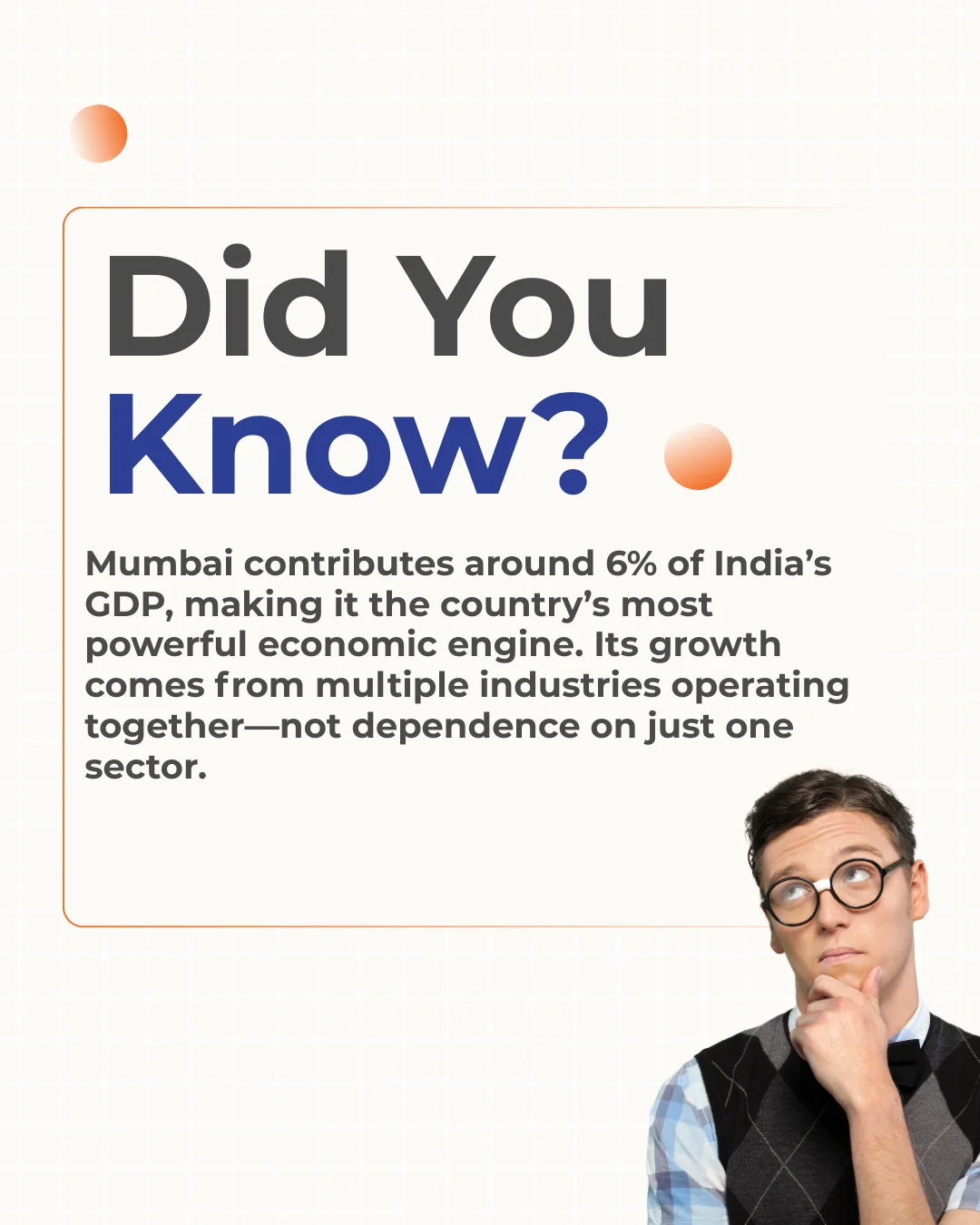
Mumbai’s economy is built on strong sectoral diversity, which plays a key role in shaping its resilient work culture. The city is a national hub for financial services, banking, capital markets and fintech, while also being home to India’s largest media, entertainment and advertising industries. Alongside these, IT services, logistics, real estate, professional consulting and startup ecosystems continue to expand across multiple business districts.
This mix of traditional and emerging industries allows professionals to shift roles, upskill and explore cross-sector opportunities without leaving the city. Businesses benefit from shared talent pools, established vendor networks and access to decision-makers across industries. During economic slowdowns, this diversity provides employment stability and adaptability, reinforcing Mumbai’s position as a long-term, future-ready business destination.
Choosing the Right Office Setup in Mumbai
Modern businesses in Mumbai increasingly favour flexible office models over traditional long-term leases. Coworking and managed office solutions offer scalability, cost control and faster setup, particularly valuable for growing teams. MyBranch’s guide to flexible office space solutions explains how businesses can choose formats that align with their growth stage.
Workspace design also influences employee well-being and productivity, which is explored further here:
https://www.mybranch.co.in/blogs/the-psychological-benefits-of-flexible-workspaces
Conclusion: Is Mumbai the Right Move for You?
Relocating to Mumbai is a strategic decision that extends beyond real estate or office selection. The city challenges professionals with its pace but rewards them with opportunity, exposure, and growth. Its work culture, infrastructure, and ecosystem support businesses willing to adapt and think long-term.
For those who understand its rhythm, Mumbai does not simply offer a place to work; it offers a platform to evolve professionally and build sustainable success.