


Drive NH44 from Ambala toward Amritsar and you pass through one of the most commercially active stretches of road in North India. Textile warehouses, auto-component factories, cold storage facilities, agricultural processing units. The trade is visible from the window. What is less visible, but just as real, is how many of the businesses running this corridor are still operating without a proper office to coordinate from.
That is the gap that is quietly closing in 2026.
Manufacturing firms, trade businesses, and distribution companies that have been running North India operations from makeshift setups, spare rooms in factory premises, or rotating hotel bookings, are starting to build proper office infrastructure along this corridor. Not headquarters. Not prestige addresses. Working bases from which regional teams can coordinate, comply, and grow.
Ambala, Amritsar, and Jammu are the three cities where that shift is most visible. And understanding why each one matters, and what each one does differently within the corridor, is what separates the businesses that expand well here from the ones that set up in the wrong city for the wrong function.

Ambala: Where the Corridor Begins
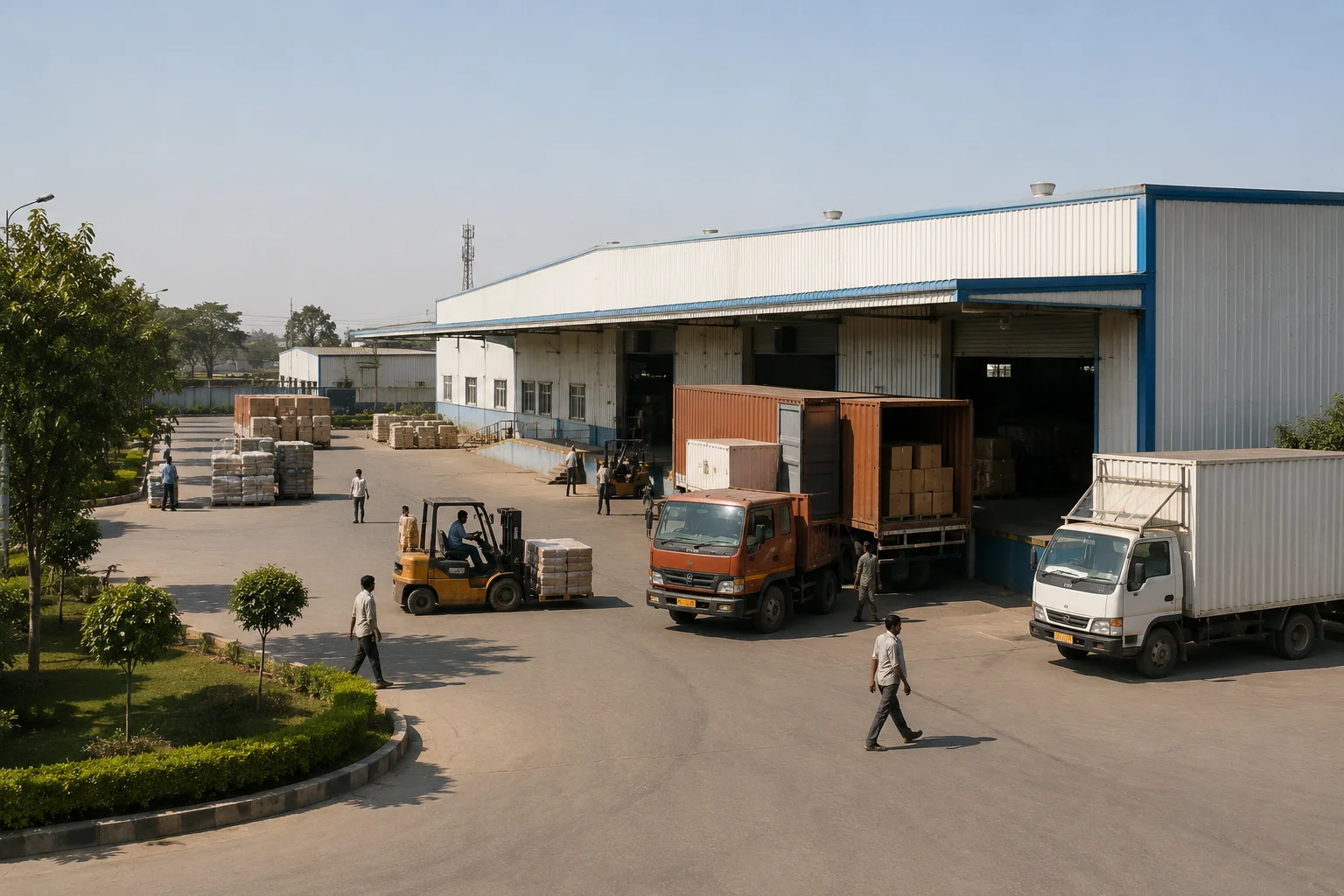
Ambala sits at the intersection of NH44 and NH152, one of the most strategically positioned cities in North India for distribution and logistics. Delhi is 200 kilometres south, Chandigarh 45 kilometres north, and Amritsar another 230 kilometres up the corridor. Every truck moving goods between Delhi and the Punjab heartland passes through or near it.
For manufacturing firms with supply chains spanning Haryana, Punjab, Himachal Pradesh, and Uttarakhand, Ambala is the natural southern anchor of the corridor. Procurement teams, logistics coordinators, and compliance functions handling multi-state operations all benefit from a proper base here. The city's own industrial base in scientific instruments, electrical equipment, and light engineering means the local talent pool for operational roles is stronger than most expect from a Tier 2 Haryana city.
Coworking space in Ambala Sadar Bazar puts a manufacturing or trade team in the commercial heart of the city, compliance-ready from day one, without the capital commitment of a conventional lease.
Amritsar: The Punjab Heartland
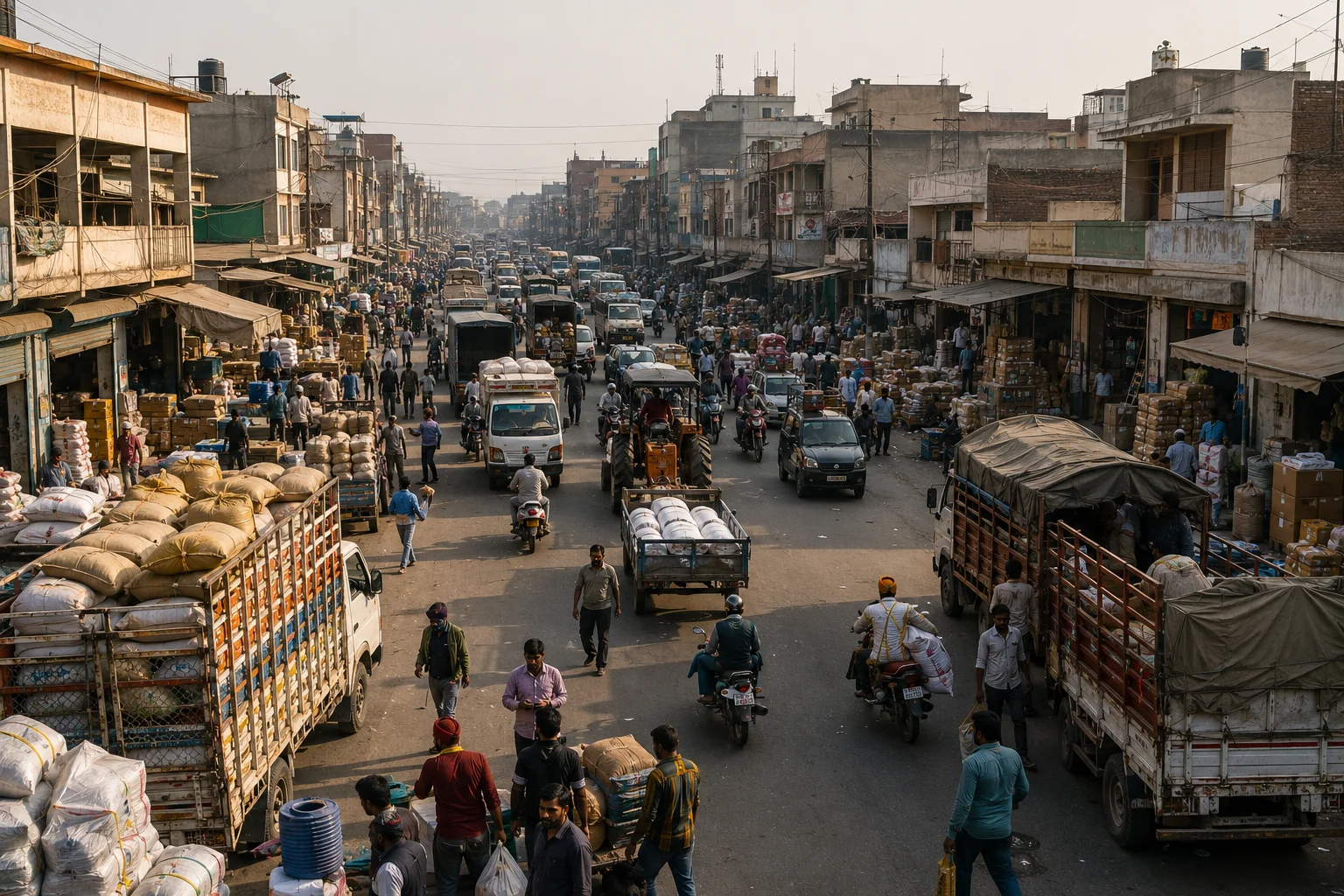
Amritsar is Punjab's largest and most commercially complex city. Textile manufacturing, agro-processing, light engineering, and cross-border trade through the Wagah border all converge in the same ecosystem. The industrial base is deep, the talent pipeline is stable, and the Amritsar-Kolkata Industrial Corridor is actively pulling manufacturing activity northward. Direct airport connections to Delhi, Mumbai, and Bengaluru mean regional managers are never more than an hour from a major metro.
Within the corridor strategy, Amritsar is the central coordination point. Distribution teams covering Punjab, procurement teams managing supplier networks across the Doaba and Majha regions, and compliance functions handling multi-state GST filings all benefit from an Amritsar base in a way neither Ambala nor Jammu can fully replicate.
Coworking space in Amritsar at Ranjit Avenue sits within the city's commercial core, professional enough for distributor and vendor meetings, flexible enough to scale as the team grows into the corridor.
Jammu: The Northern Edge That Most Businesses Have Not Got To Yet
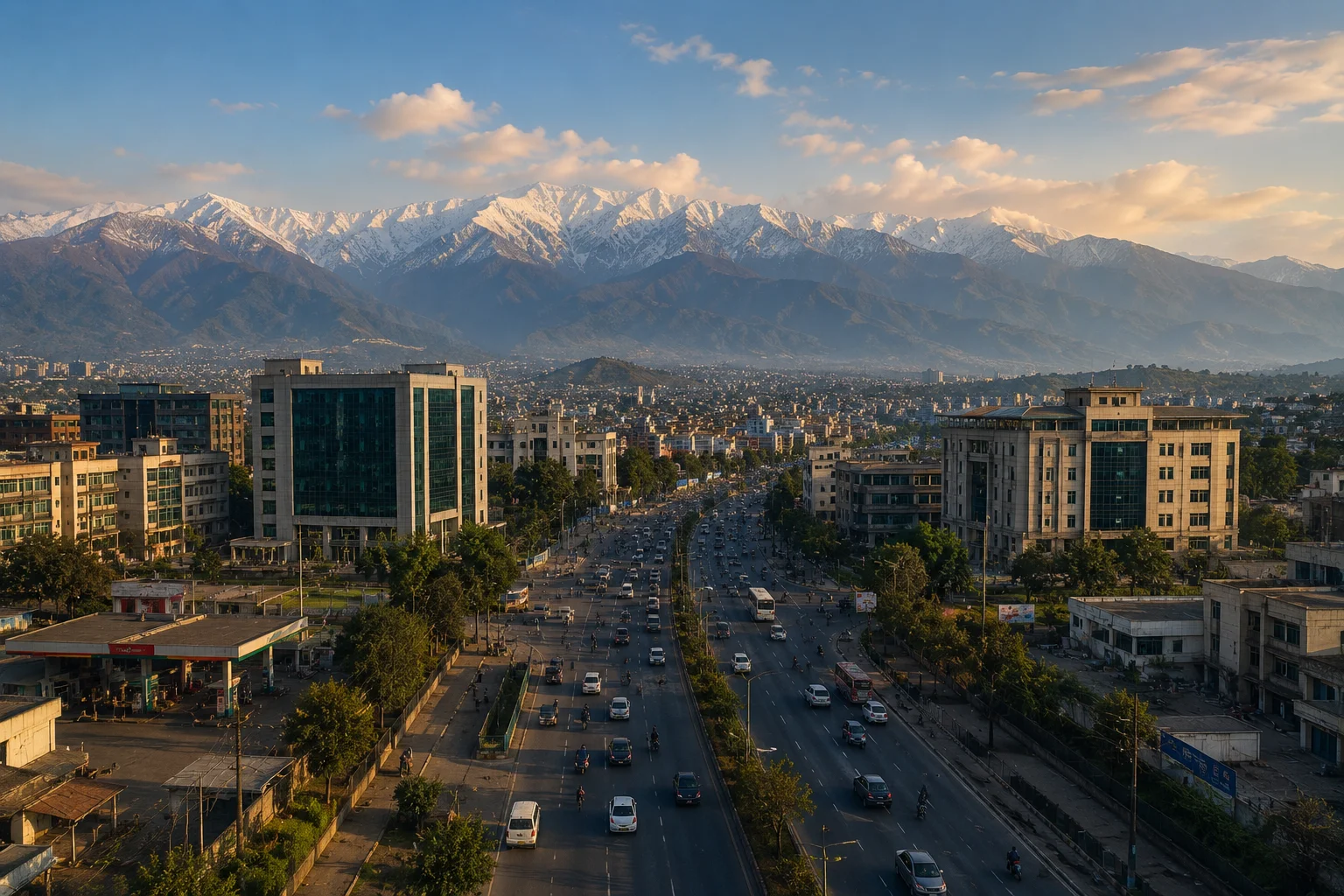
Jammu is the commercial capital of the Jammu and Kashmir region and the primary gateway for goods moving into the Union Territory and beyond toward Ladakh. Pharmaceutical companies, FMCG firms, construction material suppliers, and consumer goods distributors all need a Jammu base to service the J&K market effectively. The city is connected by road and rail to Amritsar, and the airport handles passenger and cargo traffic to major Indian cities.
What makes Jammu compelling in 2026 is low competition. Most businesses that should be here are not yet. The firms establishing a proper operational base now are building local knowledge and commercial relationships that will be difficult for later entrants to replicate quickly.
Coworking space in Jammu at Trikuta Nagar gives manufacturing and trade firms a professional, compliance-ready base in Jammu's most accessible commercial location, without betting a long-term lease on a market that is still in its early commercial development.
Running the Corridor as a Single Strategy
The mistake most businesses make with a corridor like this is treating each city as a separate expansion decision. Ambala one quarter, Amritsar the next, Jammu filed under "maybe later." By the time three separate assessments and setups are complete, a year has passed and the operational momentum corridor expansion is supposed to create has been lost to process.
The businesses running this corridor well in 2026 are treating all three cities as a single operating system. A coworking space network across Ambala, Amritsar, and Jammu means consistent infrastructure, familiar format, and capital commitment proportional to what the business actually knows about each market at entry.
When Jammu grows faster than expected, there is no new lease to negotiate. When Ambala needs fewer seats, there is no empty office to carry.
The corridor becomes executable rather than theoretical. That is when being early starts to compound.
The businesses that will define this corridor in five years are not the ones with the biggest ambitions. They are the ones that got their operational infrastructure right at the start and let the market do the rest.