
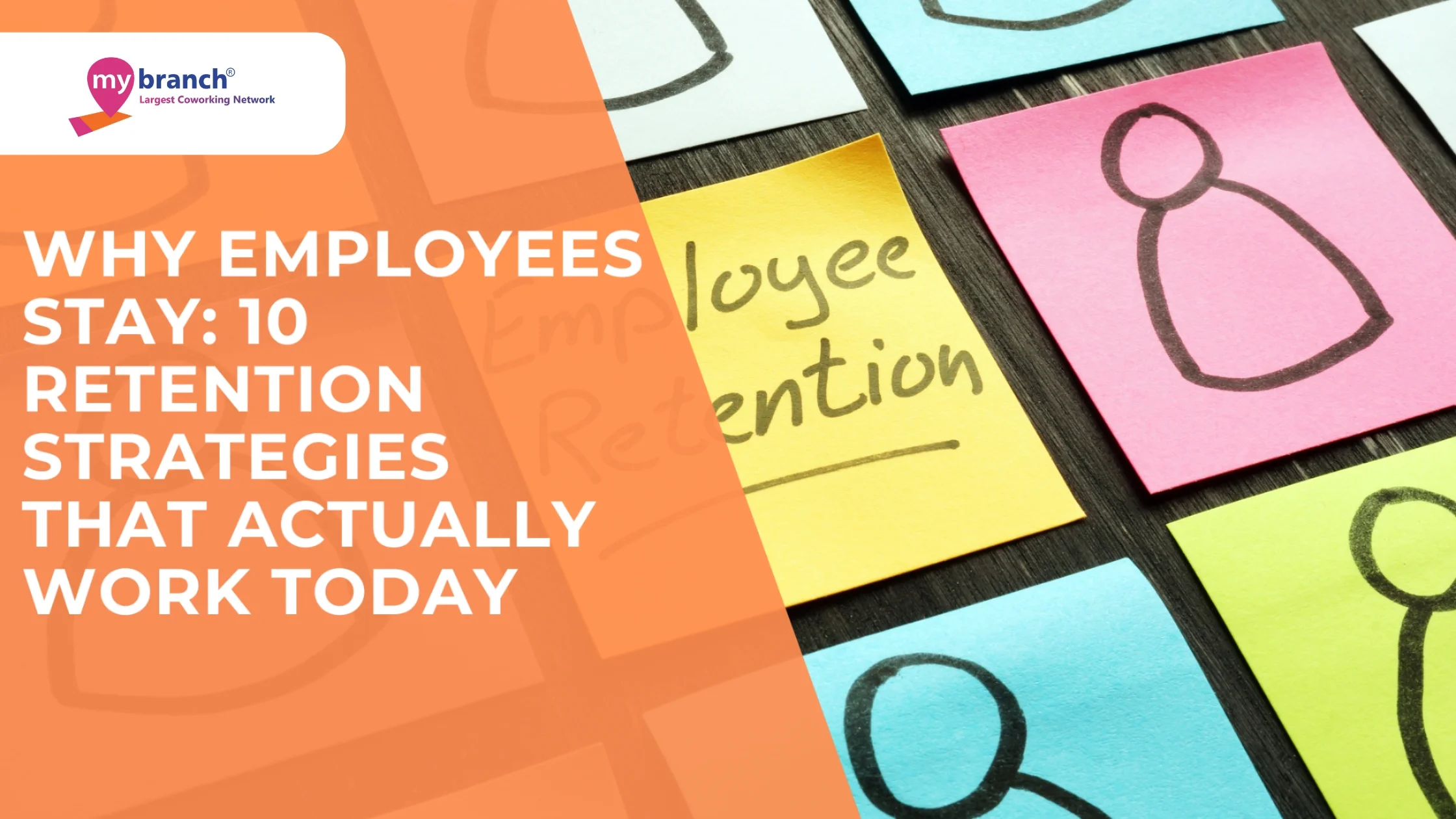
Many businesses invest heavily in hiring the right people but struggle to keep them. The real challenge begins after onboarding. Retention is not about perks. It is about how work feels every single day.
When employees leave, it is rarely sudden. It builds over time through unclear expectations, limited growth, and everyday friction that goes unnoticed.
Understanding Why Employees Choose to Stay
Employees stay when they feel stable, valued, and clear about their future. They do not expect perfection. They expect consistency.
A predictable work environment, fair leadership, and visible growth opportunities create a sense of belonging. When people see progress in their role and respect in their interactions, they naturally stay longer.
Common Reasons Employees Disengage or Leave
Most exits are not driven by a single reason. It is usually a mix of small gaps.
Lack of growth direction
Poor communication from leadership
Workload imbalance
Limited recognition
Rigid work structures
These gaps slowly reduce engagement. Over time, employees begin to explore alternatives.
Did You Know
Employee turnover is one of the highest hidden costs for businesses. Replacing an employee can cost up to twice their annual salary. A large share of exits are preventable when companies focus on growth, communication, and workplace experience.
10 Retention Strategies That Actually Work Today
- Define clear role expectations
Employees perform better when they know exactly what success looks like. - Build visible growth paths
Even small teams can show progression through skill expansion and role evolution. - Strengthen manager accountability
Managers directly influence employee experience. Regular check ins help identify concerns early. - Introduce stay conversations
Do not wait for exit interviews. Understand what is working and what is not while employees are still engaged. - Recognize contribution consistently
Recognition does not need to be formal. It needs to be timely and genuine. - Improve communication clarity
Unclear direction creates stress. Clear communication builds confidence and trust. - Offer flexible work structures
Flexibility signals trust. It improves both productivity and retention. - Reduce operational friction
Simple factors like workspace setup, meeting access, and daily convenience impact experience. Teams working in a managed office space or exploring a coworking space near me often experience smoother collaboration. A serviced office can also help reduce these day to day challenges. - Maintain fair and transparent compensation
Employees stay when they feel pay decisions are reasonable and clearly explained. - Build a stable work environment
Consistency in leadership behavior and policies creates long term trust and reduces uncertainty.
Role of Leadership in Retention
Retention is not an HR function alone. It is a leadership responsibility.
Employees observe leadership behavior closely. When leaders communicate clearly, respond consistently, and stay accessible, teams feel secure. When leadership becomes unpredictable, retention begins to weaken.
A Practical Workplace Shift
A growing startup team often faces frequent exits in the early stages. The focus is usually on hiring quickly, not managing consistently.
As the team matures, small changes start making a difference. Regular check ins, clearer expectations, and a more stable work setup improve the overall experience. Employees begin to stay longer because the work environment feels more structured and reliable.
Practical Takeaways
- Keep expectations clear from day one
• Make growth visible even in small roles
• Communicate more frequently and clearly
• Recognize effort regularly
• Use flexibility as a retention tool
• Improve workplace experience, not just compensation
Retention is not built through policies alone. It is built through everyday experiences that shape how employees feel about their work and their future in the company.